


ENDOSCOPIC GASTRIC BALLOON KENYA
Lose 25-30% of excess body weight with Endoscopic Gastric Balloon Kenya
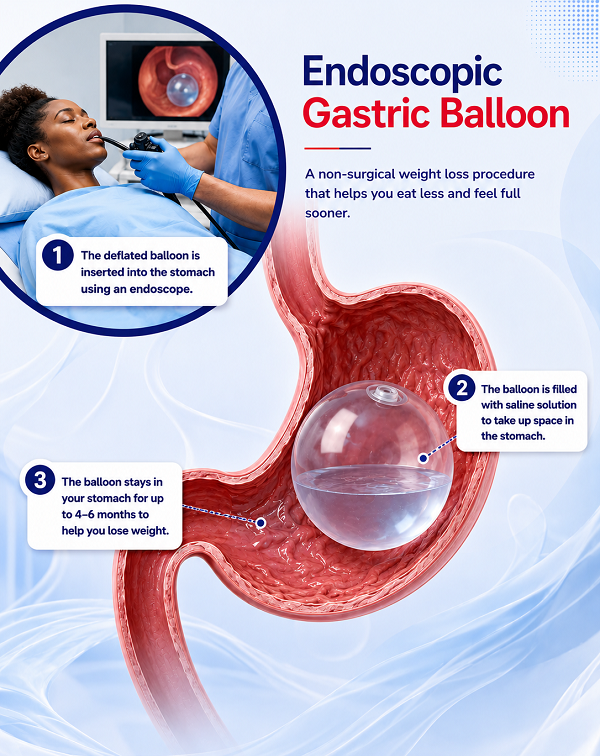
An endoscopic gastric balloon is a non-surgical weight loss treatment in which a soft, deflated balloon is placed inside the stomach using an endoscope (a thin, flexible tube with a light and camera) and then filled with sterile saline solution. The balloon takes up space in the stomach, helping you feel full sooner, eat smaller portions, and support weight loss without traditional surgery.
- 15–30 Minute Procedure – Quick, minimally invasive treatment.
- Non-Surgical – Placed through the mouth using an endoscope.
- For BMI 30–40 – Suitable candidates are assessed individually.
- 6-Month Weight Loss Program – The balloon typically remains in place for up to 6 months.
- Requires Endoscopic Removal – The balloon is deflated and removed through the mouth after treatment.

Benefits
- Non-Surgical – No incisions or scars.
- Effective Weight Loss – Supports significant weight reduction.
- Quick Procedure – Usually takes 15–30 minutes.
- Reduces Appetite – Helps you feel full sooner.
Disadvantages
- Requires Endoscopy – Placement and removal need an endoscopic procedure.
- Digestive Discomfort – May cause nausea, cramps, or reflux.
- Requires Sedation – Usually performed under sedation or anesthesia.
- Not Suitable for Everyone – Requires medical assessment before treatment.
Common Side Effects
only first few days after the procedure- Nausea – ~63%
- Vomiting – ~55%
- Abdominal Pain/Cramps – ~25–34%
- Acid Reflux (GERD) – ~18%
- Bloating/Indigestion – ~10–20%
Main Complications
- Balloon Migration – ~1.4%
- Stomach Ulcer – ~0.2–1%
- Bowel Obstruction – ~0.1–0.8%
- Stomach Perforation – ~0.1%
- Acute Pancreatitis – Rare
HOW DOES IT WORK?
An Endoscopic Balloon, also known as an intragastric balloon, is a weight loss device that doesn't require surgery and is not very invasive. Here's how it works: a deflated balloon is put into your stomach through your mouth using a thin tube with a light and camera. Once in your stomach, the balloon is filled with a sterile saline solution, making it expand. This makes you feel full, so you eat less and lose weight. It's a temporary solution to help you develop healthier eating habits and lose a significant amount of weight without having surgery. The balloon stays in your stomach for a few months and is removed later with another endoscopic procedure.
A 15-20 minutes procedure
Initiate your weight loss journey by experiencing a sense of fullness

The Procedure
The balloon is placed in your stomach during a brief 20-minute consultation with your doctor.

I. Insertion
A Thin flexible tube with a tiny camera at one end (Endoscope) is passed down your mouth while you’re sedated. The folded up balloon is guided down from your mouth using the endoscope down to your stomach.

II. Inflation
Once in the stomach, the folded balloon is inflated using a small tube which comes down with it from the mouth. Inflated with 500 mls of water in the correct position, the filling tube together with the endoscope is removed from the mouth – leaving behind only the balloon in the stomach.

III. Residence
It reduces the stomachs capacity, reducing food intake giving a feeling of fullness and early satiety. Burning of fat by the body for energy then leads to further weight loss

IV. Extraction
It will stay in the stomach for 6 months after which it is removed during an endoscopy, where the balloon is punctured, and the deflated balloon removed through the mouth.
Pre Placement

We will take a detailed medical history to see if you are eligible. Your doctor may advise you on some medication, lab & imaging tests prior to the procedure
Balloon Placement

Endoscopic positioning of the folded balloon, attached to a thin tube. Once in the stomach, the balloon is filled via the thin tube with 500mls of water & the tube together with the endoscope is removed gently, leaving the filled balloon in the stomach.
Post Balloon Placement

Start your weight loss journey once the balloon is placed and beyond, keeping in mind lifestyle changes such as diet and exercise to help maintain the weight long term.
BalloonRemoval
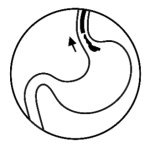
The balloon is removed via an endoscope in 6 months, where it is punctured and the deflated balloon is removed from the mouth.
What are the risks of an Endoscopic Balloon?
While the Endoscopic Balloon procedure is generally considered safe, like any medical intervention, it carries some risks and potential complications. Here are some possible risks associated with the procedure:

Some people may experience nausea and vomiting, especially in the initial days after the balloon placement.
Abdominal pain is common as the stomach adapts to the balloon, causing discomfort, a frequent side effect.
SRarely, the balloon may deflate or rupture, posing a risk that demands extra intervention or removal.
Digestive tract blockage may arise from the balloon, causing symptoms like cramping, bloating, or swallowing difficulty.
Balloon presence can irritate stomach lining, possibly leading to ulcers or erosions as potential complications may arise
Procedure-associated infection risk increases with poor hygiene; following proper sterile techniques mitigates this small but potential danger.
Materials in the balloon or saline may trigger allergies, impacting individuals in rare cases during this procedure.
Some individuals may experience worsened acid reflux symptoms due to the balloon, contributing to discomfort or exacerbation.


ENDOSCOPIC BALLOON
6 MONTHS
The Balloon Procedure
The Connected Scale, Health Tracker & App
All Specialist Consultation ~ 50 Visits
All Lab ~ 25 full body tests & Imaging ~ 3 tests
All Pre & Post Procedure Medication
Skin Contouring
Colon Hydrotherapy
FREE Support Beyond 6 Months
FAQs
An endoscopic gastric balloon is a temporary balloon placed inside the stomach to support weight loss.
The balloon is placed through the mouth using an endoscope.
No. An endoscopic gastric balloon does not require surgery or incisions.
The procedure usually takes around 15–30 minutes.
The balloon typically remains in the stomach for around 6 months.
Results vary from person to person, but an endoscopic gastric balloon may help achieve approximately 25–35% of excess body weight loss.
Usually, the procedure is performed on a same-day basis, so you can return home after recovery and medical assessment.
Yes. The balloon is deflated and removed endoscopically at the appropriate time.
Yes. Some people may experience nausea, vomiting, stomach cramps, or acid reflux, particularly during the initial adjustment period.
Yes. Weight can be regained after the balloon is removed, particularly without continued healthy eating habits, physical activity, and lifestyle changes.